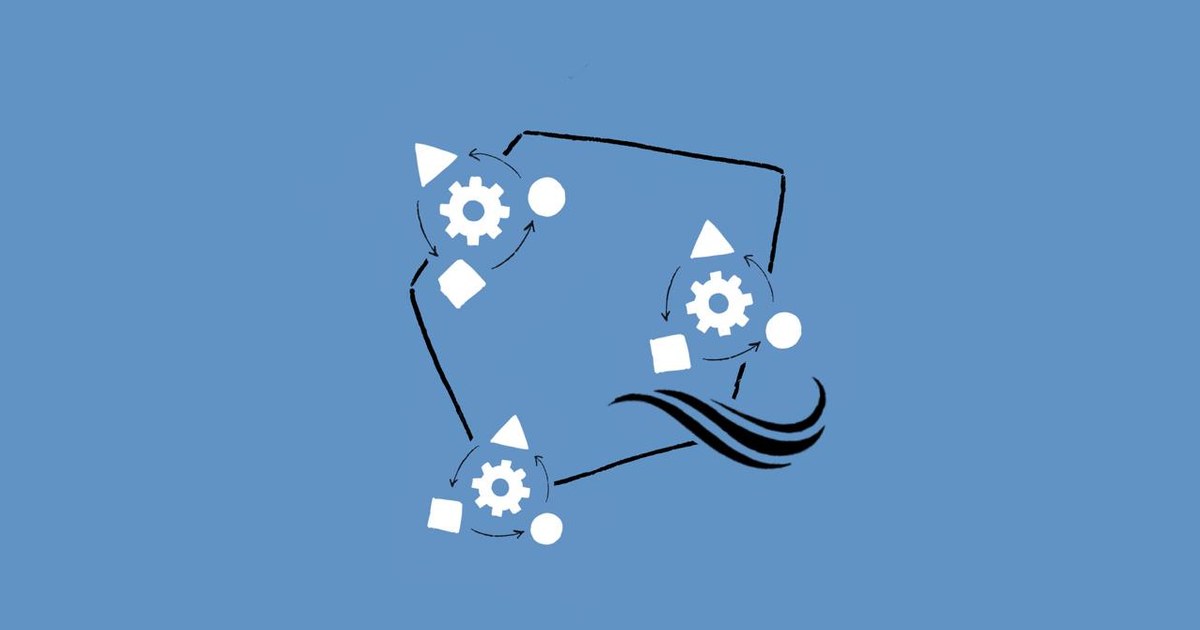
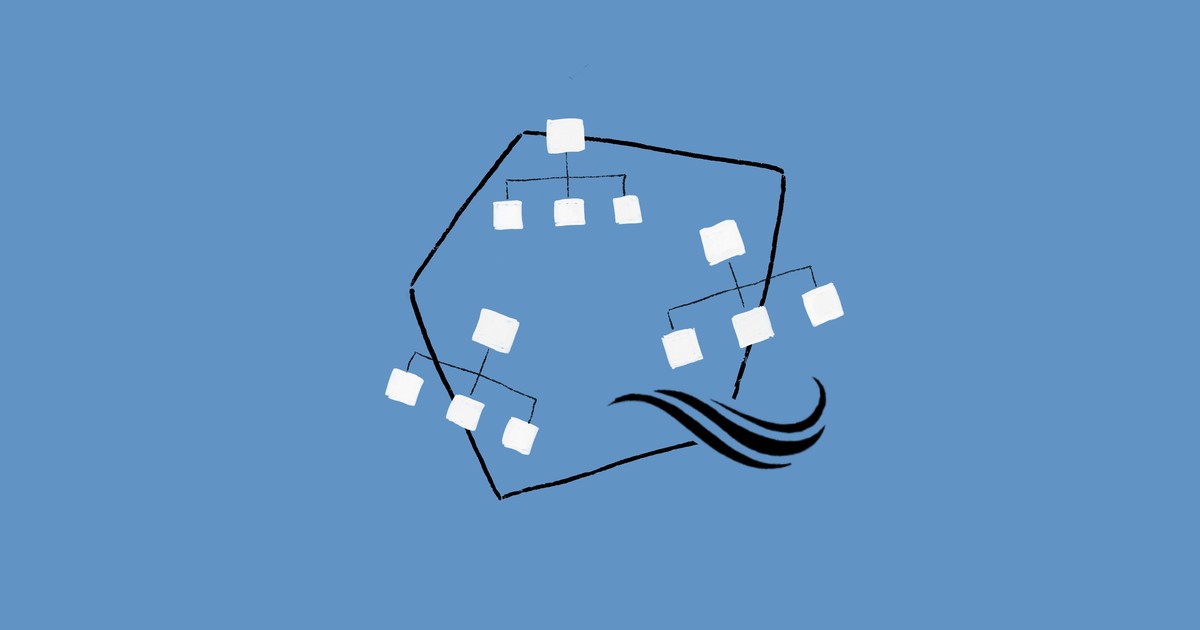
Every company has an org chart. Sales owns revenue, Operations owns delivery, Finance owns margin, Quality owns defects, Support owns tickets. The problem is that data problems do not move that way. Companies are organized around ownership, while data moves through relationships, and that gap has a cost that often goes unseen until it is already too late.
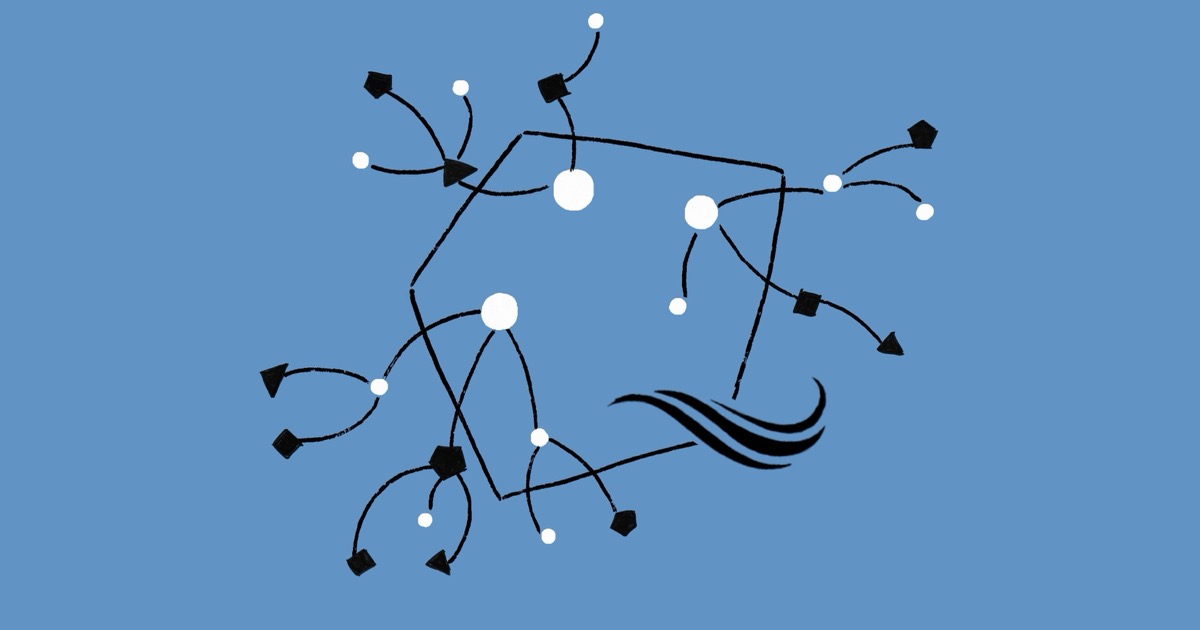
Every team sees a true part of the system: Sales a slowing pipeline, Operations SLA under pressure, Finance margins compressing, Support more tickets in a specific category. But the pattern does not live in any of those views, it lives in the sequence that connects them. A supplier delay becomes a production anomaly, which becomes a delivery delay, which becomes a customer complaint, which becomes a renewal risk. By the time the problem shows up clearly in one team’s dashboard, it has already traveled across the company.
The hidden cost is recognition time. For weeks, nobody is necessarily wrong: every team sees a local signal and tries to interpret it within their own context. A small variation in a supplier’s delivery times overlaps with a minor shift in batch quality, a slow rise in returns in one category, commercial pressure on customers who still look healthy but are already showing weak signals elsewhere. None of these events, on its own, seems necessarily important. Together, they tell a different story.
This is one of the reasons why the next level of analytics cannot just make it easier to query data. An autonomous analysis system should cross those boundaries by default, follow a signal from procurement to operations, from operations to customer success, from customer success to finance, without stopping because the org chart says these are different problems. Companies need ownership to function, but data has no reason to respect it. And the most expensive problems are often the ones no team truly owns, until they become large enough to show up in everyone’s dashboard.