













Caso studio · 7 min lettura
Caso studio: i segnali nascosti in un magazzino
Un dataset pubblico di magazzino. Sette rami d’indagine. Cinque rischi operativi che avevano senso solo insieme.
 Parliamo al MADE, Politecnico di MilanoParliamo al MADE del Politecnico di Milano: «Beyond Dashboards», con MiraitekIscriviti →
Gli agenti di Southwind incrociano ERP, telemetria, magazzino e vendite e trovano i segnali deboli che nessuna dashboard vede, verificati sulla fonte.
Scelto da team nell’industria, nella consulenza e nel tech
Guardalo all’opera
report.json
01 / La scoperta
I sovraccarichi si concentrano sui compressori M‑24 con firmware 2.3.1.
×9sovraccarichi per compressore dopo l’aggiornamento
✗ Turno notturno +40%: non riproducibile sulle righe sorgente
✓Completata in 31 s
Come funziona Southwind
Colleghi un dataset, gli agenti esplorano, resta solo ciò che supera la verifica.
Export ERP, telemetria, tabelle di magazzino e vendite. Nessuna migrazione, nessuna nuova dashboard.
Excel, CSV, Parquet, Postgres o Snowflake: profilati e documentati prima di qualsiasi analisi.
Ogni esecuzione in un ambiente dedicato, eliminato alla fine.
Ogni cifra ricalcolata sui tuoi dati prima di arrivare a te.
Gira sul provider già approvato dalla tua azienda.
Avvia le indagini dal tuo prodotto o dalla pipeline.
Approfondimenti
Ogni report apre una conversazione. Chiedi perché, confronta periodi, scendi su una sede: le risposte sono calcolate sugli stessi dati, con le evidenze allegate. E le tue domande orientano le prossime run, così l’orchestratore impara dove guardare.
Una demo su misura
Facciamo girare Southwind su un dataset che scegli tu e ti mostriamo cosa trova.
Casi d’uso
Capisci quali preventivi si chiudono, e perché.
Offerte, sconti, tempi di risposta e clienti, incrociati per trovare dove si perde la trattativa.
Prenota una demoDomande che gli agenti si pongono da soli
Quanto costa in chiusure una risposta lenta?
Gli sconti più alti chiudono davvero più offerte?
Quali preventivi vinti erodono il margine?
Chi chiede ancora preventivi ma non ordina più?
Fiducia
Gli agenti lavorano da soli, ma mai al buio. Ogni esecuzione è isolata, ogni cifra è ricontrollata sui tuoi dati e ogni risultato conserva il codice e le evidenze dietro di sé.
Leggi la privacy policy →Note dal campo
Caso studio · 7 min lettura
Un dataset pubblico di magazzino. Sette rami d’indagine. Cinque rischi operativi che avevano senso solo insieme.
Saggio · 2 min lettura
Le aziende dividono le responsabilità per team. I dati si muovono attraverso relazioni. I problemi più costosi emergono nello spazio tra i due.
Saggio · 2 min lettura
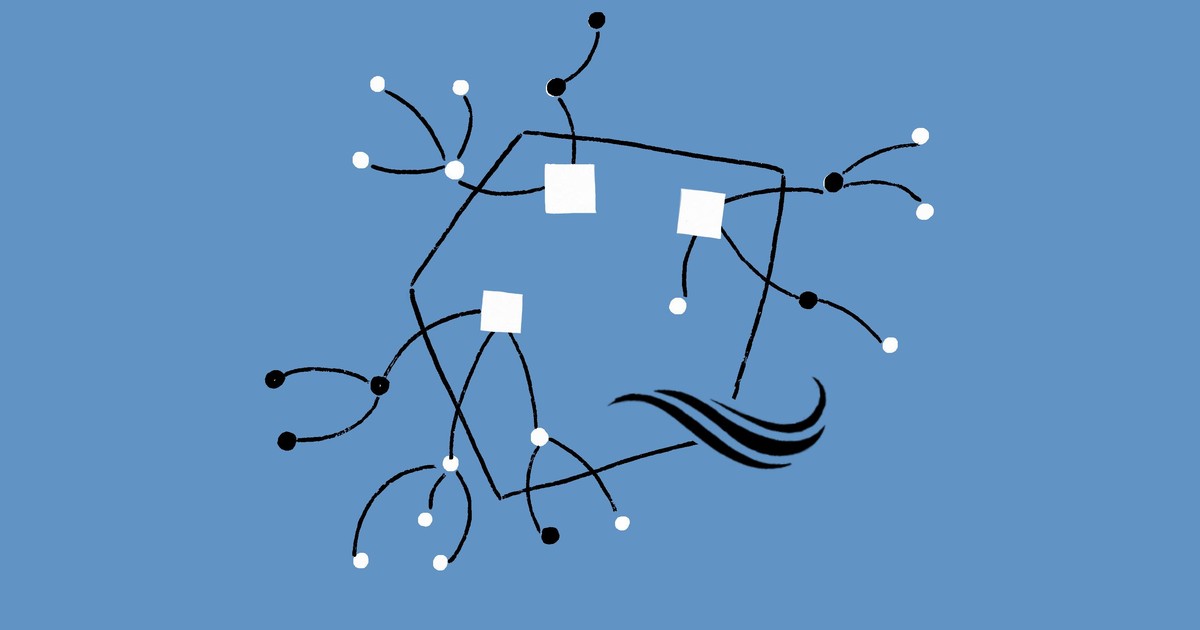
L’esplorazione non è rumore. È il modo in cui un sistema autonomo trova il percorso che nessuno aveva predefinito.
Saggio · 2 min lettura
Dal monitoraggio reattivo a sistemi che indagano ogni ipotesi in sottofondo, alla velocità con cui cambiano i dati.
Saggio · 3 min lettura
Ogni dashboard disegna un confine attorno a ciò che vediamo. Il rischio è tutto ciò che resta fuori.
Una demo mirata su un dataset che scegli tu. Poi uno sprint di due settimane sui tuoi dati reali.