

Based on six months observing companies from 1M to 200M+ in revenue.
There is something quietly limiting about the way most companies look at their data today. We build dashboards. We choose metrics. We draw boundaries around what we want to monitor, and then we monitor it.
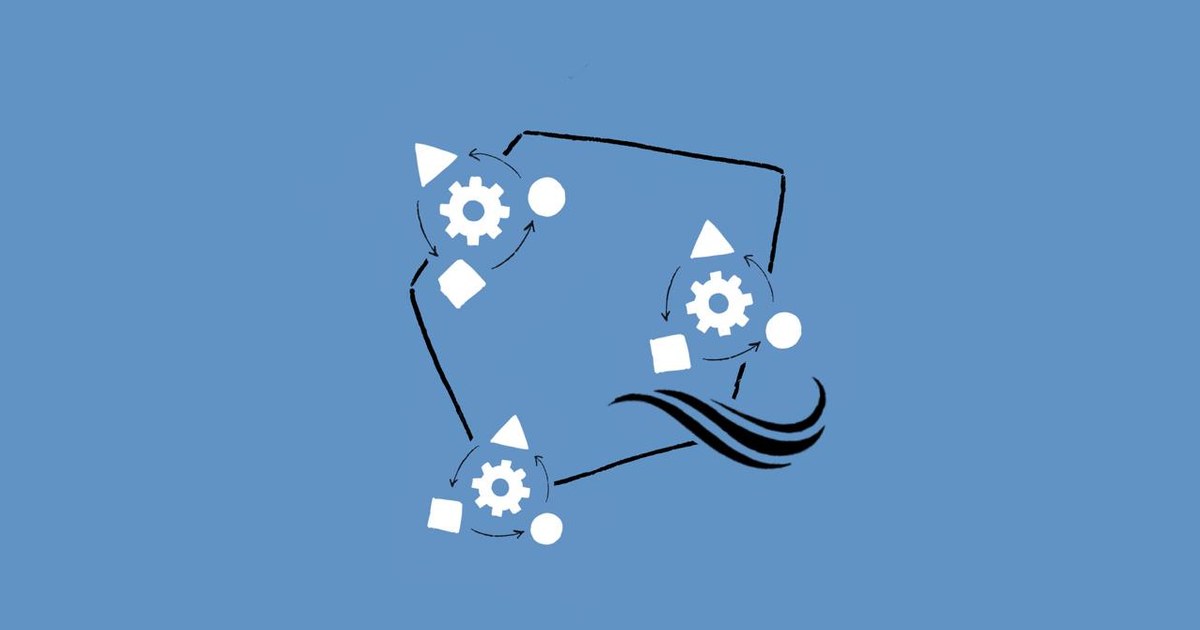
A dashboard is, at its core, a perimeter. When you set one up, you are making a decision about what matters. You pick the KPIs, the filters, the time ranges, the breakdowns. Everything inside that perimeter becomes visible. Everything outside simply does not exist. Not because nobody cares about it, but because nobody thought to include it, or the tool made it too hard, or the question had not been asked yet.
This is the quiet failure mode of static analytics. The dashboard is not wrong. But the dashboard stays frozen in the shape of a question someone asked six months ago. The business moved. The data changed. The dashboard stayed the same.
And when something breaks outside the perimeter, you feel it before you see it. A number looks off in a meeting. Someone asks a question nobody can answer. A trend has been building for weeks, but it lives in a join between two tables that no chart was ever built to show. At that point, you have two options: wait for an analyst or engineering team to rebuild the view, or dig through raw data yourself. Neither scales. Neither is fast enough.
The deeper issue here goes beyond technology. Dashboards answer known questions well. But the most costly problems in a business are usually the ones you did not know to ask about.
Think about a machine on a production line. Sensors send telemetry constantly, and as long as the numbers land inside the ranges someone defined, everything feels safe. But then a sensor drifts in a way nobody thought to monitor. Or a correlation between two machines starts building over weeks, something no one wired into the dashboard because it had never been relevant before. By the time a human notices, the cost is already real.
I think that the core idea about what we want to build at Southwind, autonomous agents that can reason over data, changes the equation in a fundamental way.
Instead of asking humans to anticipate every important question and encode it into a dashboard, you can let agents continuously move through your data without a fixed perimeter. They explore. They cross-reference. They notice things. Not because someone told them where to look, but because they can look everywhere and surface what matters.
The shift is subtle but significant. You move from "here is what we decided to track" to "here is what is actually happening." The dashboard becomes one view among many, not the only lens you have.
Now, I want to be precise about this, because nuance matters. Large language models are nondeterministic by nature. They do not always produce the same output given the same input. That works in your favor when you want creative exploration of data, and works against you when you need a reliable, reproducible number for a board deck. Static dashboards are not going away. Nor should they. There are contexts where you need a fixed, validated, trusted metric that everyone agrees on. Dashboards do that well.
What we are arguing is that dashboards alone are not enough. The right approach combines both: structured, reliable monitoring for the questions you know matter, and intelligent, agent-driven exploration for the questions you have not thought to ask yet.
The way I see it, companies should focus on what they want to achieve and set clear objectives. Let the agents figure out what to watch in order to get there.
The perimeter was never the mistake. Believing it was enough was.